
A discharge date
Ask the hospital's discharge team what help is needed at home. Discuss a provisional care plan if certification is pending.
Prepare for hospital dischargeFor Families Abroad
Start with your parent's local community support center for free public care advice. If you need help with Japanese calls and family updates, our first consultation is 30 minutes and free. Local visits cover Kanagawa and Tokyo; reporting and fees are agreed before support starts.
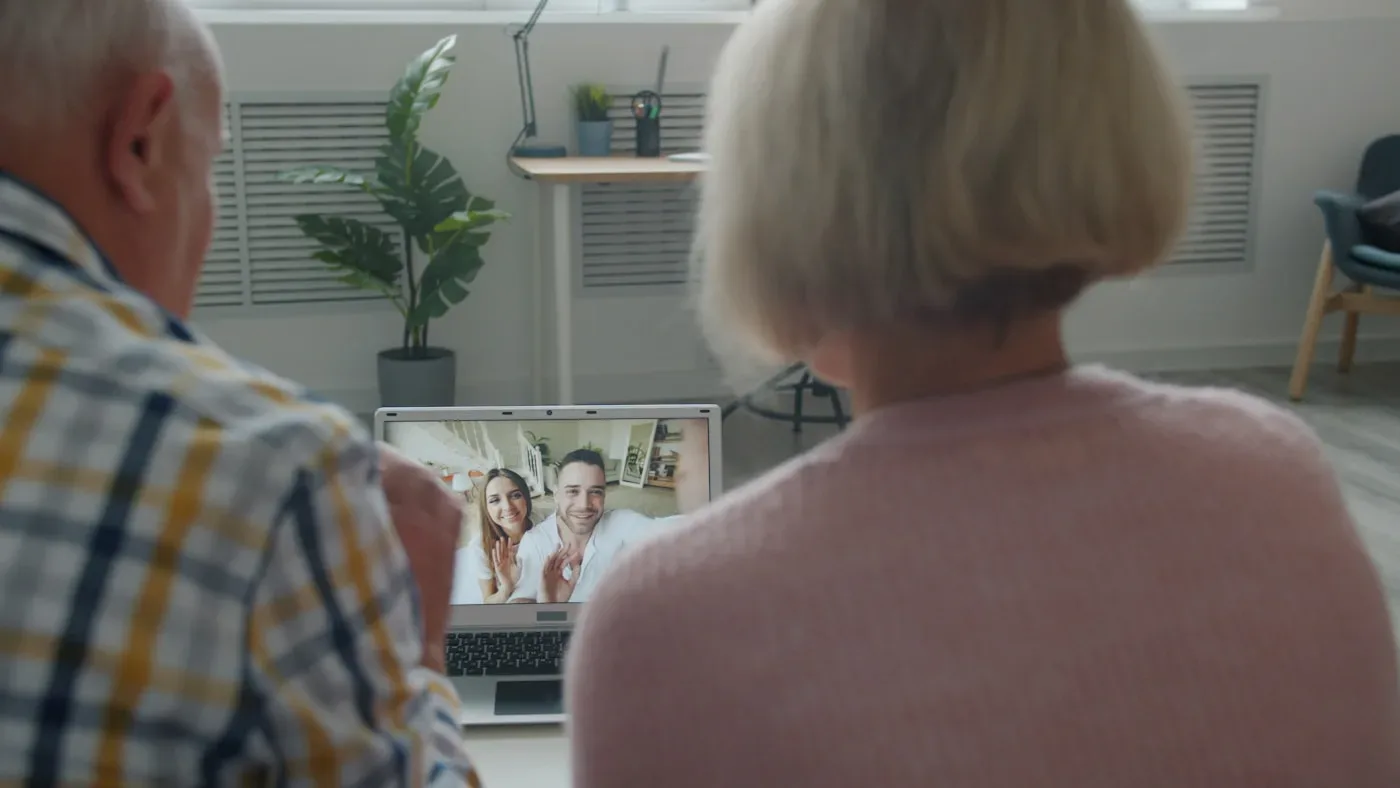 Remote family support
Use the parent's city and the next fixed deadline to choose the first conversation. Public consultation at the community support center is free.
Ask the hospital's discharge team what help is needed at home. Discuss a provisional care plan if certification is pending.
Prepare for hospital dischargeFind the community support center for the parent's registered address. Prepare a dated note of daily-life difficulties and a local contact.
Find the free public care deskUse the care level and co-payment certificate to separate insured services from private help. Add rent and food separately.
Estimate monthly home care costs
The community support center for your parent's district is free to consult and needs no referral. We prepare the questions in Japanese and send you the answers in writing. That is the difference between a link and a next step.
Long-term care insurance is run by 1,559 insurers, each with its own procedures. The share of applications decided inside the statutory 30 days ranges from 0.0% to 100.0% by insurer. Your parent's registered address decides which set of rules applies.
The statutory principle for certification is 30 days, but your parent's municipality may take longer. If care is needed during the wait, ask the care manager or community support center about a provisional care plan. Confirm the risk of paying in full if the eventual decision does not cover the planned services.
Relatives and providers each describe one slice of the situation. The home-visit assessment is where the whole picture goes on the record, and it happens in Japanese without you. We write the account that assessor needs to see.
The application goes to the municipal long-term care insurance desk, while free consultation goes to the community support center. They are separate windows with separate jobs. Both run in Japanese during Japanese business hours.
A fall or a discharge date can force a decision in days, while certification takes 39.3 days at the median insurer. The two clocks do not match. We build the interim private support that covers the gap.
Overseas relatives need one record of what changed and who approves the next step. We normally reply to initial inquiries within two business days. The frequency of English updates during paid support is agreed in writing.
The first consultation is 30 minutes and free. You leave it with the next step named and the desk named, and you get the scope and fee in writing before anything is billed. We take no referral fees from facilities or providers.
We help you prepare a dated account of daily-life difficulties for the assessor and the parent's doctor. The doctor prepares their own medical opinion; our family summary supports that conversation.
We help prepare questions for the municipal desk and care manager. Calls on your behalf depend on the agreed service and the parent's consent. We confirm the next update time before work starts.
Covered home care runs at 10% to 30% of cost up to the monthly ceiling for the care level. Facility care adds room and board on top of that co-payment. We put both on one table so the family compares real numbers.
How It Actually Moves
Start with the municipal long-term care insurance desk for the parent's registered address. These five steps explain the process; ask the desk about local attendance and proxy requirements. A provisional care plan may allow services to start before the final decision.
Everything starts from the parent's registered address. The municipal long-term care insurance desk takes applications, and the community support center takes questions for free from residents aged 65 and over. Neither needs a referral.
Ask the municipal desk how the parent or an authorized representative can apply. The statutory principle is a decision within 30 days. Discuss the parent's wishes and any consent or proxy documents before filing.
A home-visit assessment and the doctor's written opinion follow the application. This is the step that needs someone reachable in Japan. Parents routinely understate their difficulties on assessment day, so a written account of daily life should be in the assessor's hands.
Ask the municipal desk when it expects the result. A care manager prepares the care plan for Care levels 1 to 5; the community support center can explain preventive planning for Support levels 1 and 2. Ask about a provisional plan if help cannot wait.
Covered services run at 10% to 30% of cost up to a monthly ceiling that rises from 5,032 units at Support 1 to 36,217 units at Care 5. English reporting and anything above the ceiling are private. That gap is where overseas families most often need help.
A concise situation summary for family members and local conversations
Questions prepared for the municipal desk and the care manager meeting
A comparison table for home care, facility care and private support
An escalation plan naming who is called first when something changes
Tell us where the parent is registered, what changed and what decision is coming.
We name the first local conversation and the documents it needs before it happens.
If you continue, the scope and fee come in writing, then a written update after each step.
Three patterns cover most overseas-family cases. In each, the work starts with a written record of facts the family can act on before committing money.
A daughter in Singapore hears her mother in Kanagawa is missing appointments. We write the account the assessor and doctor need, then call the municipal desk during Japanese hours. She receives what happened and what she has to approve, in writing.
A father is about to be discharged after a fall, and the hospital wants an answer about where he goes. Discharge dates move in days, while certification takes 39.3 days at the median insurer. We compare home care against facility options and set up private support to bridge the gap.
A parent lives alone and the family wants to prepare. Start with the community support center's contact details and a list of people who can check in locally. If daily-life difficulties suggest a need for care, discuss an application with the parent and the municipal desk.
The first consultation is 30 minutes and free. Ongoing work is quoted in writing before it starts, based on how many institutions are in play. We take no referral fees from facilities or providers.
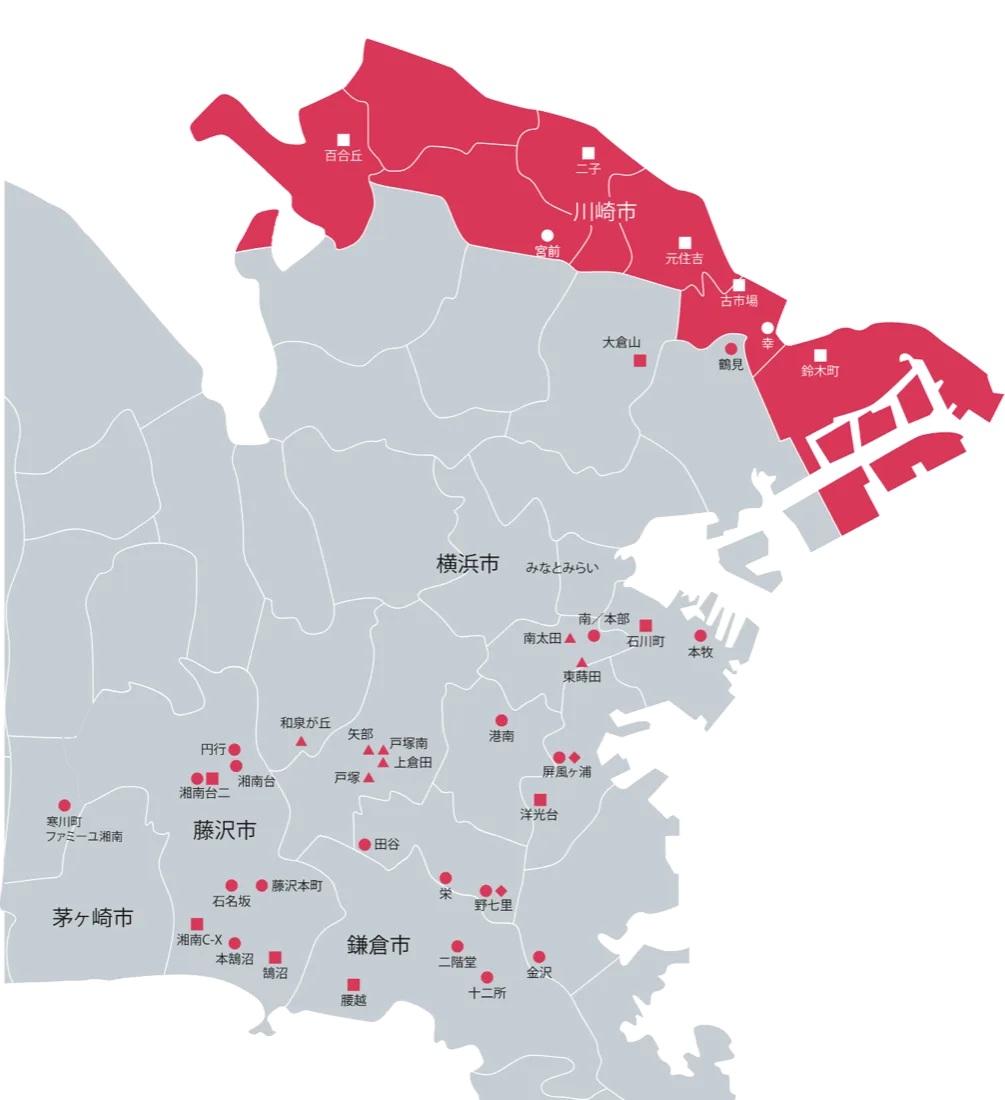
Yes. The free 30-minute consultation can take place online. We help identify the local desk and prepare family questions. Visits cover Kanagawa and Tokyo, and any local arrangements or proxy applications must be confirmed with the relevant provider or municipality.
We normally reply to initial inquiries within two business days. For ongoing support, we agree the reporting frequency and recipients in writing. Live calls are arranged around the family's time zone and our availability.
No. We prepare English summaries of Japanese-language conversations and documents, and help the family respond in a form local contacts can use.
The statutory principle is 30 days, but timing varies by municipality. Once approved, certification takes effect from the application date. Ask about a provisional care plan if support is needed before the result; services beyond the eventual entitlement may be fully self-funded.
We are not an emergency service, and urgent medical or safety situations go to 119 and local emergency services. What we can prepare in advance is the escalation plan: who is called first, who holds keys and who informs the family.
No. The care manager writes the care plan and licensed providers deliver the care, both under public insurance. We prepare the family side of those conversations and report back in English.
The parent's registered address is the one thing we cannot start without, because it decides which municipality handles the case. Beyond that, bring whatever you have on health, current providers and who decides in the family.
Read these before the first call to Japan. The insurance guide covers the 30-day rule and what the real wait looks like.
How overseas families can organize information and next steps.
Elderly Parent Living Alone in Japan While Family Lives AbroadA practical risk checklist for parents who live alone.
Long-Term Care Insurance BasicsA starting point for understanding Japan's public elderly care system.
Cost of Elderly Care in Japan for Families AbroadPublic insurance, facility fees, and the costs families actually pay.
What a Care Manager in Japan Does for a Foreign FamilyHow care managers fit in and what to prepare before meeting one.
Home Care CoordinationPractical coordination around home-care providers and family updates.
Online SupportWhat can be handled online, and where on-the-ground support is available: Kanagawa and Tokyo.