Japan Care Concierge
For Japanese living abroad or planning to return to Japan
Elderly care guidance
& concierge support in Japan
Japanese and English guidance for families abroad and international residents in Japan, covering care insurance, needs assessments, home care, facilities, medical visits, and daily support.

Where to start
Pick the situation closest to yours. Long-term care insurance turns on resident registration and age rather than nationality: 65 and over for anyone, 40 to 64 only with one of 16 specified conditions.
You are overseas and your parent is in Japan. Start at their municipal community support center, free for residents aged 65 and over, and plan on six weeks for a certification result rather than four.
Nationality is not the gate; resident registration is. Residents aged 65 and over can apply for care certification whatever the cause, then pay 10 to 30 percent of covered costs by income.

Enrolment follows resident registration, not the flight. A tourist or short-stay visitor sits outside long-term care insurance entirely, so the residence status and the enrolment timing get settled before the move.
Public care eligibility does not apply to short stays, so nursing, transport and equipment are paid privately. Scope and fees go in writing before the stay, and we take no commission from hotels or providers.
Care system guides
10 guides on the rules that decide your options. Certification sets a monthly benefit ceiling of 5,032 units at support level 1 rising to 36,217 at care level 5. Your own share is 10 to 30 percent of what you use.

Japan Long-Term Care Insurance (Kaigo Hoken)
Kaigo hoken in English: who qualifies at 40 and 65, how care-need certification works, what the 10-30 percent co-payment covers, and the first municipal step.
Read the guide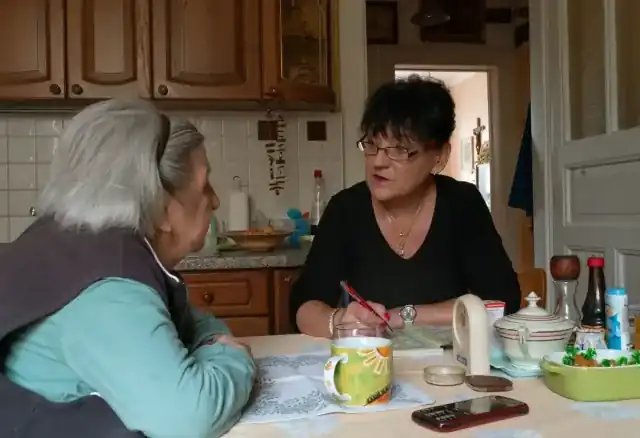
Care Levels in Japan
Two support levels and five care levels (yo-shien 1-2, yo-kaigo 1-5) each set a monthly ceiling on insured care. What each means and how the assessment works.
Read the guide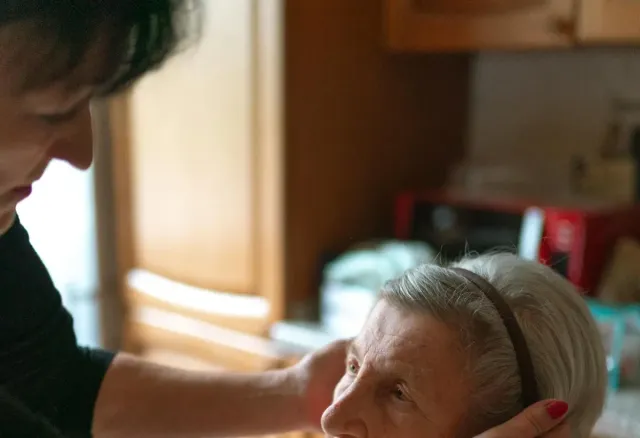
Home Care vs Facility Care in Japan
Most people using long-term care insurance receive home services, not facility care. Which situations favor each, and the signs it is time to switch.
Read the guide
Elderly Care Costs in Japan by Care Type
Insured home-care co-payments vary by services and income. Compare facility costs, regional differences, and available reductions.
Read the guide
Japan Community Support Centers for Elder Care
Japan's chiiki hokatsu shien center is the free municipal desk for elder care: what it does, who can call it, what to bring, and how families abroad use it.
Read the guide
Care Managers in Japan
What care managers in Japan do, why their service is free, how to choose and change one, and how distant families can use the monthly visits well.
Read the guide
Caring for Parents in Japan from Overseas
A practical playbook for overseas families: warning signals, local contacts, care insurance steps, decision rules, and family reporting.
Read the guide
Moving to Japan with Elderly Parents
What to confirm before moving to Japan with an elderly parent: the residence-status gate, insurance timing, medication rules, and the first 90 days.
Read the guide
How to Retire in Japan as a Senior
The whole picture in order: the residence routes that exist, the five public systems you enter, what it costs, and where each decision needs a specialist.
Read the guide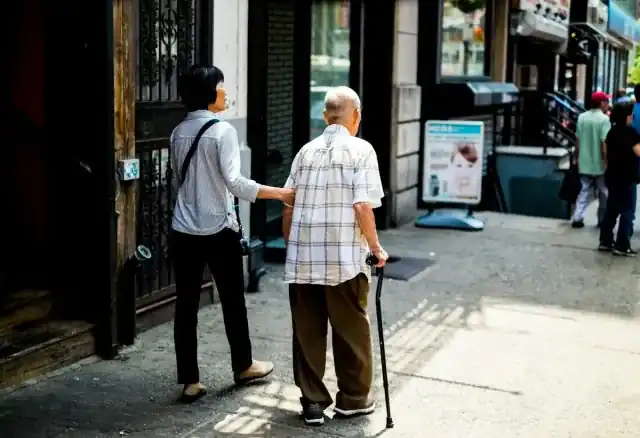
Returning to Japan to Retire
The U-turn, not the first move: how a former resident re-registers and re-enters Japan's public systems in later life, in order, starting from juminhyo.
Read the guideLatest articles
244 articles filed by the moment a family gets stuck. A parent refusing help, a discharge date already set, or a tokuyo waiting list nobody can read from abroad.


Tools
Care needs check
Six questions about walking, bathing and memory. The result says whether to apply for certification now or ask the community support center about lighter support first.
Cost simulator
Pick one of the seven certified care levels and a co-payment rate of 10, 20 or 30 percent. You see the rough monthly figure before any quote arrives.
Care glossary
54 Japanese care terms, from kaigo hoken to yo-kaigo and tokuyo. The words that appear on the forms and in the meetings, in English.
Official data snapshot
Japan's elderly-care system in four numbers
Updated figures make the scale easier to understand — and show why families benefit from starting care planning before a crisis.
Who runs this site
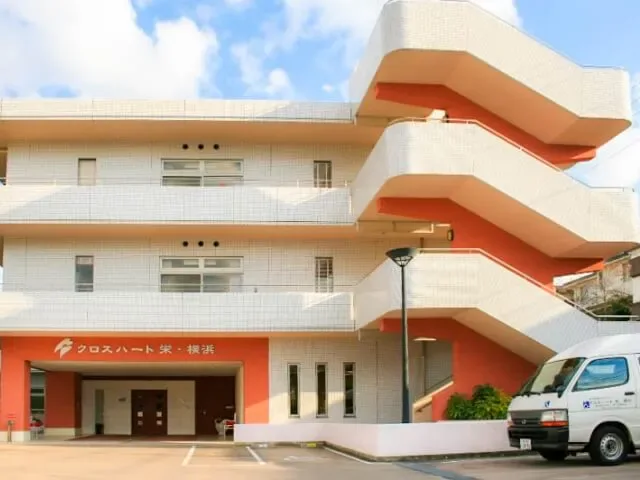
Japan Care Concierge is run by Shinkokai, Inc. and draws on the care services of Social Welfare Corporation Shinkou Fukushikai in the same group, which operates under the Cross Heart name in Kanagawa. We work across all of Japan: planning and reporting run online across time zones, and visits are arranged wherever your parent lives.
- Guides grounded in Japanese care-sector operations
- English-Japanese coordination when families need someone to act locally
- Clear boundaries: we explain and coordinate; we do not provide medical diagnosis or replace 119, and follow-up after an emergency can sit under a guarantor contract with our group